


最新法讯
Latest Legal News
阿旺上师参加比利时鲁汶大学国际佛教论坛发言
发布时间:2017-08-13 11:03点击数:78
互敬与接纳的力量
On the power of mutual respect and acceptance
-------陀乐寺的跨民族、跨宗教对话实践
The Practices of Tuli Monastery on Interethnic communication and Interreligious Dialogue
我们所面对的其实是一个宗教的世界,据有关资料显示,当今全球70亿人口,有85%的人口信仰各类宗教或准宗教。任何一个全球性问题,一个国际问题,都离不开宗教因素。不同民族文化传统、不同宗教信仰及风俗习惯的人彼此生活在一起,若不能相互理解和沟通,彼此尊重和包容,则在所难免地会产生相互的隔阂、矛盾甚至冲突和战争。为什么人会有爱别离、怨憎恚呢?就是我们人内心里有分别心,不平等。所以释迦牟尼佛主张平等,众生平等,所有人都平等,所有人通过自己的修道,最后都能够跟佛一样成佛。
What we are living in is a religious world. According to the latest data, 85% out of the total 7 billion populations in the world today are religious. Each global problem and every international issue is (in one way or another) related with religion. When people from different ethnic cultures, traditions, and religious backgrounds live together, there will inevitably be misunderstandings, conflicts, or even wars if there is no mutual respect and tolerance that come from communication and understanding. Why are there sufferings of having to part from those whom we love, and why are there sufferings of having to meet with those whom we hate? It is because of the sense of unevenness and inequality inside us. Śhakyamuni Buddha proclaimed the importance of equality that all men are equal, that all men are subject to the same law of nature. Every individual can become Buddha after the rightful self-development.
在经济全球化和信息联系日益密切的今天,对人类不同文明、不同宗教之间交流和对话的需求比以往任何一个时代更为强烈。宗教对话也日益成为时代的主题。全球各种文明和宗教都在寻求通过对话的方式寻找一种普遍的全球性道德。
In a world today where global economic ties and information exchanges are strengthened, there is an increasing demand of communication and dialogue amongst different civilizations and religions, a demand that's even more urgent than any other time. Therefore religious dialogues become the topic of our time. It is through dialogues that different civilizations and religions are searching for a global common morality.
陀乐寺地处中国青海省,这里是一个多民族聚居、多宗教、多教派并存的地区。主要有佛教、伊斯兰教、道教、天主教和基督教。全省人口600万人,信教群众占总人口的47.5%。其中,藏族、土族、蒙古族和一部分汉族信仰藏传佛教,回族和撒拉族信仰伊斯兰教,汉族中的一部分分别信仰汉传佛教、道教、天主教和基督教。藏传佛教和伊斯兰教在青海流传的历史较长,信教群众较多,影响广泛,并有着浓厚的地方色彩和深厚的社会基础。
Tuli Monastery locates in QingHai Province of China, an area where different ethnic groups live together and multiple religions and denominations, including Buddhism, Islamism, Taoism, Catholicism, and Christianity coexist. The region has a total population of 6 million people, 47.5% of which are religious. Among the religious, Tibetan Buddhism followers are from ethnic groups of Tibetan, Tu, Mongols, and some Han Chinese; Islamic followers are from Hui Muslims and Salar people. As for the Han in the region, some are Chinese Buddhism followers, others believe in Taoism. There are also Catholic and Christian believers amongst the Han. In QingHai province, Tibetan Buddhism and Islamism have long history. Each religion has numerous followers with a wide range of impact, profound local roots and is deeply embedded in local society.
陀乐寺作为一个藏传格鲁派寺院,身处青海这个特殊的区域,在时代这个大背景下,肩负着更多的佛教使命与跨宗教和谐的历史使命。百年来,在跨宗教与跨民族的对话中,陀乐寺不断进行探索,在此,将我们过往所做与大家分享与探讨。
As a Tibetan Gelug Buddhist monastery in a special region like Qinghai, Tuli Monastery carries with it a bigger responsibility of inheriting Buddhism mission and promoting peace and harmony amongst different religions in our world today. Over hundred of years, Tuli Monastery has explored tirelessly the path to promote interreligious and interethnic dialogues. As of today, I am honored to share with you our accomplishments.
一、陀乐寺的发展史记录着汉藏融合的历史
1.Development history of Tuli Monastery and integration between Tibetan and the Han
陀乐寺从一百年前旦珍诺日大师创建开始,就是依靠汉藏两族信众共同发心修建,这一缘起一直影响着陀乐寺。今天,陀乐寺信众依然是由广大的汉族和藏族信众所组成。
Since a hundred years ago of its establishment by the incarnation of Buddha Vajrapani, Tuli Monetary has been supported by its followers from both ethnic groups of Tibetan and the Han. Today Tuli Monastery followers are still mainly from both groups.
汉族信众受中国传统文化影响比较深,在他们身上儒、释、道的影子都可以看到,但这些并不妨碍大家跨越边界地深度学习。在他们的家庭中也会存在不同宗教信仰的现象,比如有的家庭会是佛教和基督教徒组成的家庭,有的家庭供奉佛像也会供奉各种土地神、关公、财神、妈祖等。我们在向大众传递信仰价值观的时候,首先强调的就是包容与和谐。佛教作为外来的宗教之所以顺利地中国化,首先这与中华文化中“和而不同”的宽容和包容精神是分不开的。《论语》讲:“君子和而不同,小人同而不和” 这种精神体现出中国人的思维方式,即尊重彼此的差异性,从而形成和合、共存的和谐关系。陀乐寺近些年快速走近大众,被越来越多的人群所接受,也是因为包容。包容是一种智慧,可以化敌为友,可以和谐互生。
The Han (Buddhist) followers are also deeply influenced by Chinese traditional cultures and doctrines such as Confucius school of thoughts, Buddhism teachings, and Taoism theories. It, however, does not prevent them from learning others’ religions and practices. There are sometimes different religious believers in one family that is composed of a Buddhism believer and a Christian; In other cases a family worships Buddha, God of Land, GuanGong (a literature figure symbolizes loyalty, righteous, bravery and benevolence), God of Wealth, and Sea Goddess Matsu at the same time. When we preach to the public religious teachings and values, it is tolerance and harmony that we put most emphasis on. As a foreign religion, Buddhism found its soil in China where the spirit of tolerance and forgiveness are praised and “harmony but not sameness” are celebrated. In Analects of Confucius, it is remarked “A superior man is affable, but not adulatory; a mean man is adulatory but not affable”. From here we can see the spirit of thinking in Chinese culture that mutual respect of differences are celebrated, coexistence and harmony are promoted. In recent years Tuli Monastery becomes increasingly popular amongst the public thanks to the spirit of tolerance. It is wise to tolerate, with which enemies can become friends, and coexistence with differences can be made possible.
二、与周边各宗教互通往来,输出教育
2.Interactions with neighboring religions and exporting educational program.
青海地区一直是藏传佛教和伊斯兰教传播的重要区域之一。伊斯兰教不仅在回族、撒拉族等民族的形成、发展过程中起到了非常重要的作用,同时也成为这些民族的精神支柱和民族文化的主要内容。
Qinghai region has always been one of the most important regions to promote Tibetan Buddhism and Islamism. Islamism played a vital role in the formation and development of ethnic Hui Muslism and ethnic Salar. It has also been a core element of the ethnic spirit and cultures of the Muslim ethnic groups in China.
陀乐寺的大殿开光等各种重要法会,青海伊斯兰教的阿訇会率领代表团参加祝贺;伊斯兰教的重要活动,陀乐寺也会到会祝贺。
The Mullah from Islamic community in Qinghai region with his delegation has always been invited to participant in our various Buddhism assemblies of Tuli Monastery such as the consecration of our shrine. In return, Tuli Monastery has also been invited to the important Islamic events in local Islamic community.
因为居住环境中你中有我,我中有你,所以无论历史风云如何变幻,维系两个民族联系的“黄金纽带”一直延绵不绝。藏、回文化交流既涉及世俗层面,也涉及宗教层面。
Thanks to such a deeply intertwined living environment, in the long history of the region in good and bad times, the relationships between Tibetan Buddhism and Hui Muslim have developed hand in hand. The interactions between the two religions cover from secular to religious world.
任何一种文明的发展,任何一种宗教的传播都离不开教育。历史上,全民信教的藏、回、土、蒙古、撒拉族人民一般都会接受传统的寺院教育。在信教群众的心目中,寺院就是学校,喇嘛、阿訇就是有学识的师长,学习的内容就是经书、经典。
Education is the most important force of development to every civilization and religion. Historically religious ethnic groups such as Tibetan, Hui Muslim, Tu, Monguor, Salar have been receiving traditional education in monastery. In the minds of religious believers, monastery is the school where they receive education; Lama and Mullah are teachers from whom they learn knowledge; religious scriptures and classics are what they study.
陀乐寺在文化教育、文学艺术、天文历算及医疗卫生等方面有着系统的传承,也着力将此传承传播大众,服务社会。因此陀乐寺不仅是僧众进行诵经、修持等各种宗教活动场所,而且也成了文化教育中心,是研习佛教和藏族语言文字、天文历算、医药卫生、工艺建筑、绘画雕塑等多种学科的场所。这大大促进了藏、回民族间的文化交流及民族内部的相互联系和团结。
Tuli Monastery developed a systematic educational program covering areas of culture, literature, fine arts, astronomy, medical science and health care. We have a long history of educational inheritance and have always tried to transmit the knowledge to the general public and therefore play our role to serve the society. Therefore Tuli Monastery is not only a religious space for monks to chant and meditate, it is at the same time a cultural and educational center for studying Buddhism knowledge, Tibetan language and characters, astronomy, medical science and health care, art and craftsmanship of architectures, painting and sculptures. As such it contributed to the deepening of cultural exchange between Tibetan and Hui Muslims and strengthened the interaction, communication and solidarity within the ethnic groups.
三、继承发扬藏传佛教的般若智慧,与各界智慧学者深度交流
3.Inheriting and carrying forward Tibetan Buddhism wisdoms, promoting profound exchange and communication with intellectuals from all fields
在巴利文的吉祥经中,佛陀以38种方法来阐述并教导我们日常生活中如何吉祥、平安地践行修行之道,该经开宗明义即提到“不亲近愚人,应亲近智者,敬礼有德者,此为最吉祥”。佛陀所说的智者是指任何在自己宗教上修行有成的人,而并没有说宗教教徒必须只能与本教教徒往来。佛陀认为人人皆有佛性,不同的宗教信仰者都是遵循着相似的自我启蒙、开悟之道。
In Pali version of Discourse on Blessings, Buddha learnt us in thirty-eight ways of how to practice propitiousness and blessings in our everyday life. Buddha said, “Do not associate with the fool, but associate with the wise, and to honor those worthy of honor — this is the highest blessing.” In Buddha’s teaching, people with wisdom can be anyone who has achieved his religious wisdom and therefore does not prohibit a religious follower from interacting with people from different religions. Buddha also believes that every individual is with potentials and therefore believers of all religions follow similar tracks of self-development and unfolding his potentiality.
我们会与更多的国内、国际大学展开合作与交流,与各界学者一道,致力于推动宗教信仰、精神文明对人类的积极影响。
同时也会致力于宗教人才的培养。中国佛教有句俗语:“人能弘道,非道弘人”。没有厚实的人才基础,就不可能推动文化的发展和进步。就弘扬宗教文化而言,没有一支懂宗教、会外语、善交流、恒敬业的人才队伍,就无法完成宗教文化交流的重任。
we will continue our collaboration and exchange with research institutes from both China and abroad. It is our goal that by marching forward hand in hand with scholars that we can promote positive impact of religious believes and spiritual civilization to all humankind.
In the meantime, we are also devoted to foster and develop the talent. As remarked in Chinese Buddhism, "It is the man that enlarges the principles which he follows and not the principles that enlarge the man." That is to say without solid support and profound nurturing to the talent, cultural development and advancement can hardly be realized. As for the important task of carrying forward religious culture, it can only be achieved with a team of talents who are with profound religious knowledge, multilingual, communicative, and responsible.
陀乐寺在僧才培养上面有着非常严谨的体系,修学上严格按照菩提道次第,并汇聚了藏传佛教最有影响力的高僧亲自授课。吸引了除格鲁派外的宁玛、噶举、觉囊、萨迦等各教派学僧前来陀乐寺历时多年的学修,各教派学僧也以获得陀乐寺颁发的修学证书为荣。同时陀乐寺也鼓励僧人走出去参学、并学习外语,利用互联网等新型媒体进行传法,让藏传格鲁派以更多善巧、方便的方式走进大众。在当代,媒体传播对于社会发展起到了至关重要的作用。与时俱进地掌握和利用新媒体技术,可以更好地向世界展示宗教的文化内涵。
In Tuli Monastery, we have developed a systematic educational program of fostering talents. In practice, we strictly follow the Lamrim, the “graduated path” system that details the stages in the complete path to enlightenment. Aside from this we also have a group of teachers from the most influential eminent monks in Tibetan Buddhism to offer classes, which has attracted student monks not only from Gelug but also from other Tibetan spiritual traditions such as Nyingma, Kagyu, Jonong and Sakya. These student monks are all very proud of being graduated with Tuli Monastery diploma. As for student monks from our Monastery, we encourage them to study from outside, promote them to learn foreign languages and inspire them to make use of social media to carry forward Buddhism wisdom. In such ways we try to create an amiable and approachable image of Gelug tradition of Tibetan Buddhism that is closer with the public. In out times today, media is critical to social development. It is therefore also very important for us religious practitioners to keep pace with the times and proficient us with new media to better present and communicate with the world of Buddhism culture.
四、走出国门,与各国各宗教领袖互动交流
4.Visit foreign countries, communicate with different religious leaders of the world
我本人近年来积极走出国门,参与全球性的宗教论坛,尤其是三传佛教论坛,与三传佛教领袖共同对话,倡导教内团结,同根溯源,共同为世界和平而求同存异,贡献力量。
In recent years I am actively participating international religious forums especially frequent myself to the Tri-tradition Buddhist Forum to join the debate with fellow Buddhist leaders, promoting solidarity within Buddhist community, seeking common points while reserving differences, and contributing to world peace.
文化、宗教是人类智慧的结晶,它的影响力超越时空,跨越国界,润物细无声。在不同宗教间彼此经验分享是格外珍贵的。虽然不同文化间有差异性,但人类的文化都是交互影响、互通互融的。这次来到比利时,我也是抱着学习的态度,去了解欧洲各国的文化与宗教,此行我深切地感受到宗教文明对于一个国家教育、经济、文化的影响与渗透。
Culture and religion are invaluable treasures of human wisdom. Their impact to human society is universal and perpetual. Their influences are ubiquitous across time and space. It is such a valuable asset to share and communicate across different religions. Admittedly there are differences across cultures, yet cultures are also correlated and intertwined. That is why I am here in Belgium today to learn from you, from European cultures and religions, where religion has played a very important role in its education, economy, and cultural development.
释迦牟尼佛在悟道之后,向他请法的对象多是当时在各宗教领域修行很有成就的人,他们对善法与智慧的追求非常的渴望,佛陀当时即一再地鼓励与告诉这些宗教人士们:不论你师承何方或者您是何种宗教信仰,皆要向自己的心中,才能找到平和的自性,透过修行、证验的过程,才能让世界美好与喜乐。佛陀所想要传播与强调的,其实是在每个人心中所存在的“真诚、智慧、慈悲、喜舍”的核心价值。
所有的宗教都是殊途同归的,都在解答人们最关切的问题,解决现实生活中的苦恼和灾难。倡导“真、善、美”。
When Buddha reached his enlightenment, elites from different religions with great desire went after him for advices. Buddha said, whichever religion you are from, it is to find your inner peace that matters the most. It is through meditation and training that we can make the world a better place. In another word, there are “sincerity, wisdom, compassion, and equanimity” in every individual.
At the end of the day, all religions have a same goal that is to try and answer the most fundamental questions of life, to relieve people from miseries and sufferings and to promote “truthfulness, compassion and tolerance”.
各宗教对话的过程实质则是在保持了彼此的鲜明特色和各自独立性的基础上,相互吸收、相互融合,丰富和发展了各自的思想内容的过程。人类实现普遍和平、共同发展的理想还任重道远,但开展跨宗教对话可以使大家在和平、开放、互补、渐进、多向等文化上向前迈进了一步,也会推进整个人类文明体系建设的进程。
Interreligious dialogue is a process of assimilating, integrating enriching and developing each of our own ideology while maintaining individual characteristics and independence. It is still a long way ahead to reach peace and common development, yet interreligious communication is a step forward to contribute to a world with more peace, more openness, more mutual learning, multi-direction development and progress step by step. Therefore contribute to the construction of human civilization.
2017年4月18日
April 18,2017
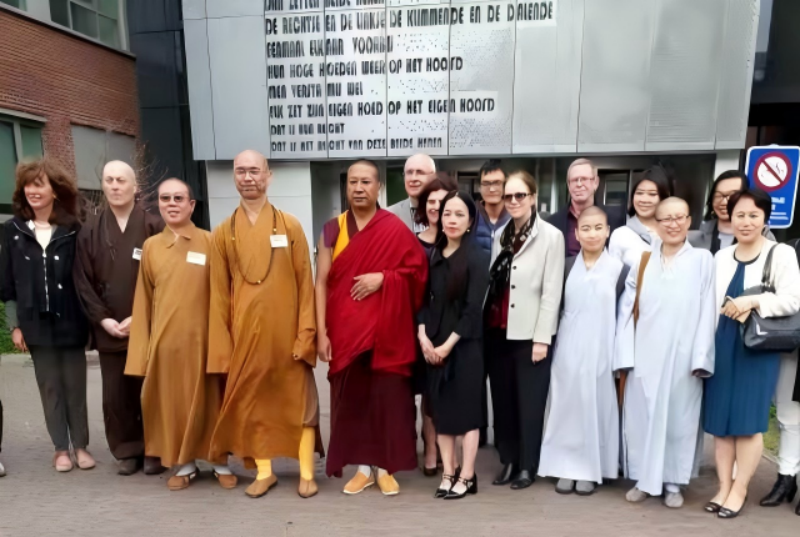
▲阿旺上师参加比利时鲁汶大学国际佛教论坛合影
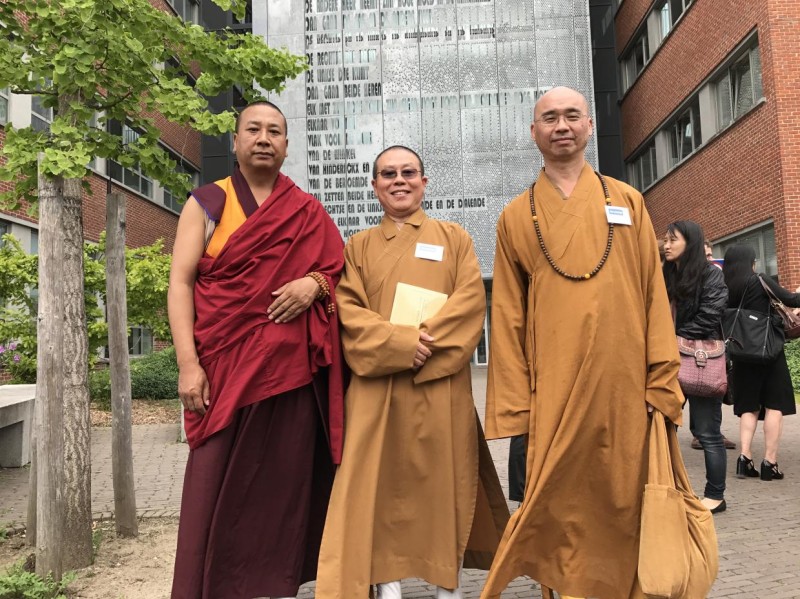
▲阿旺上师与佛光山佛主持慧开法师(中间)、万佛寺主持法藏师父(右一)参加比利时鲁汶大学国际佛教论坛留影
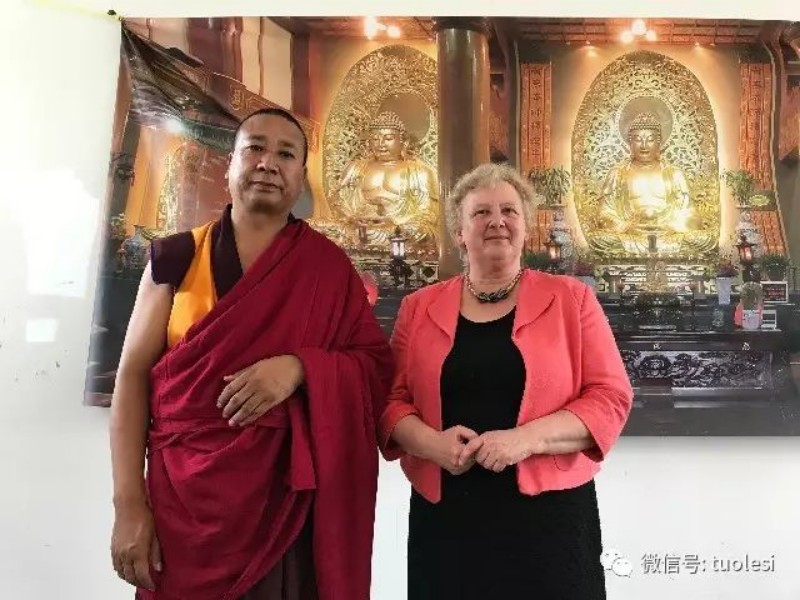
▲阿旺上师在比利时鲁汶大学(右一鲁汶大学副校长)
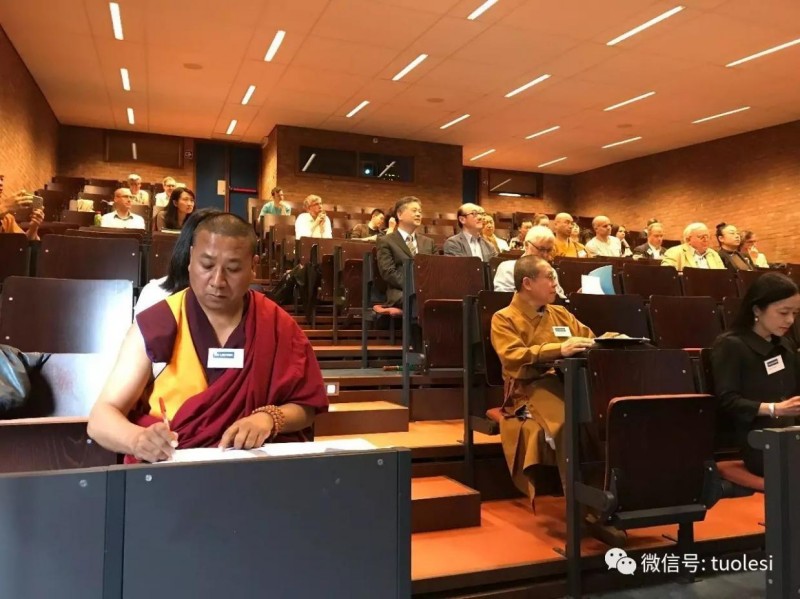
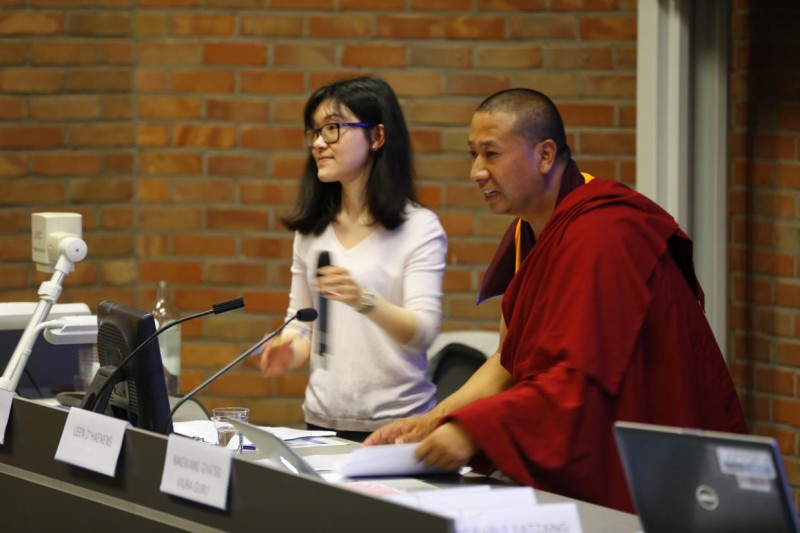
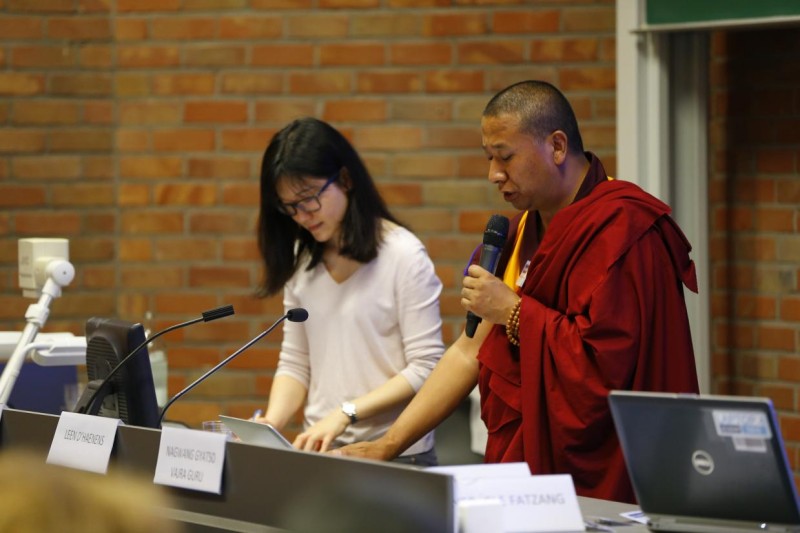
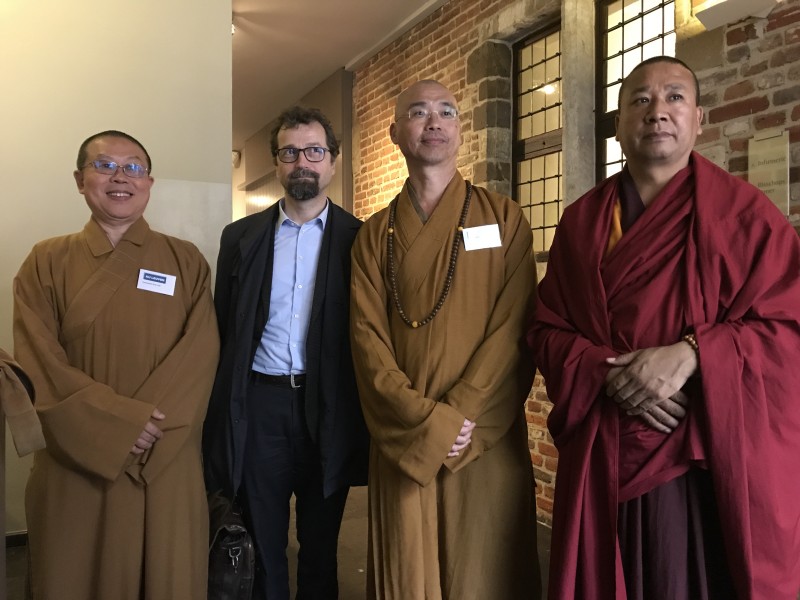
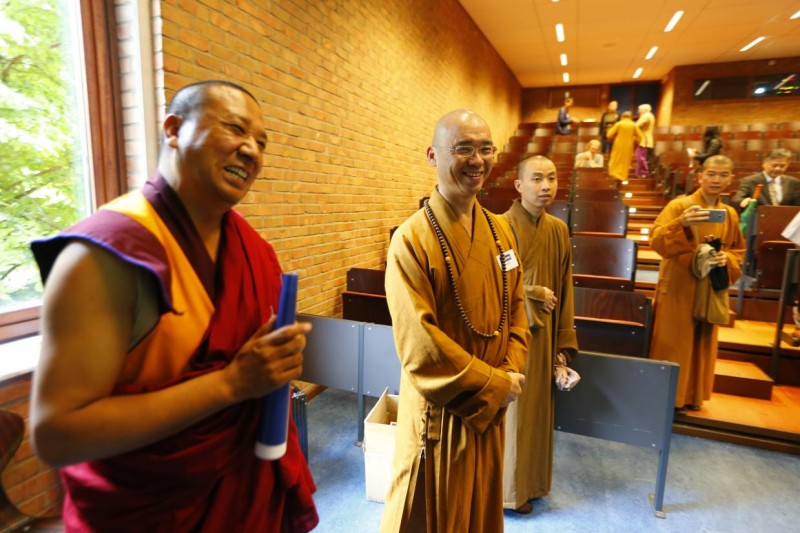
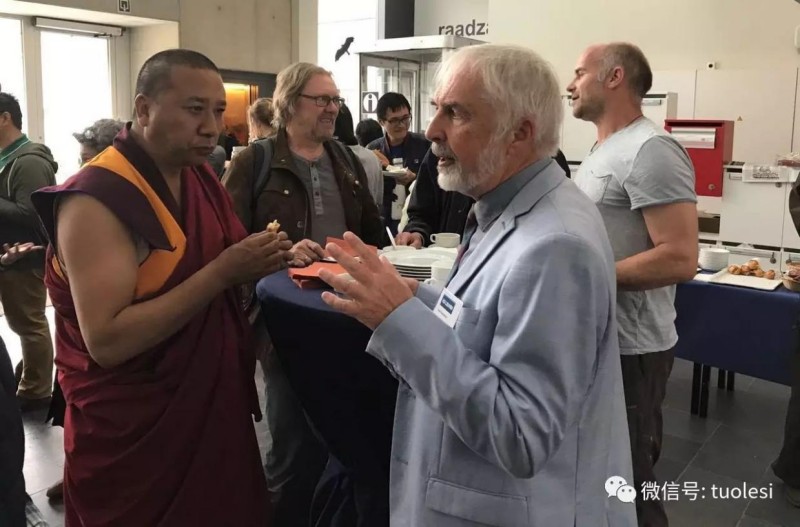
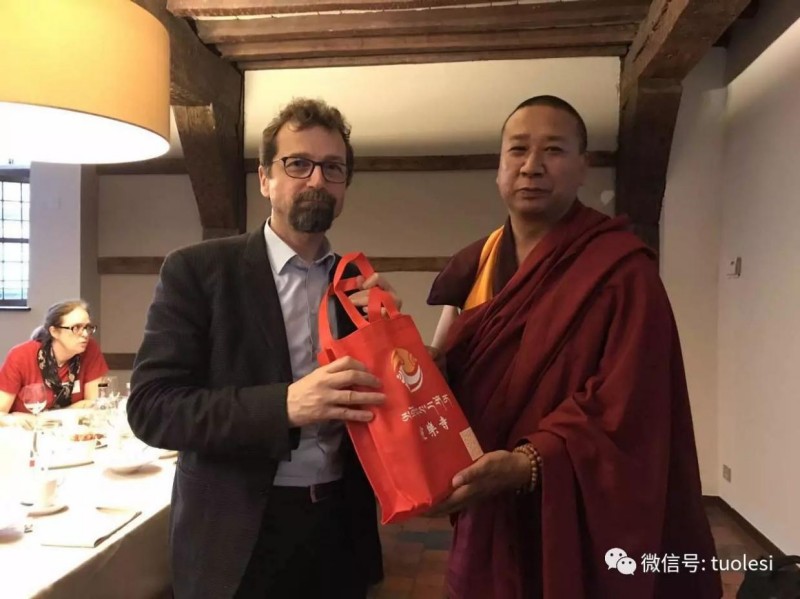
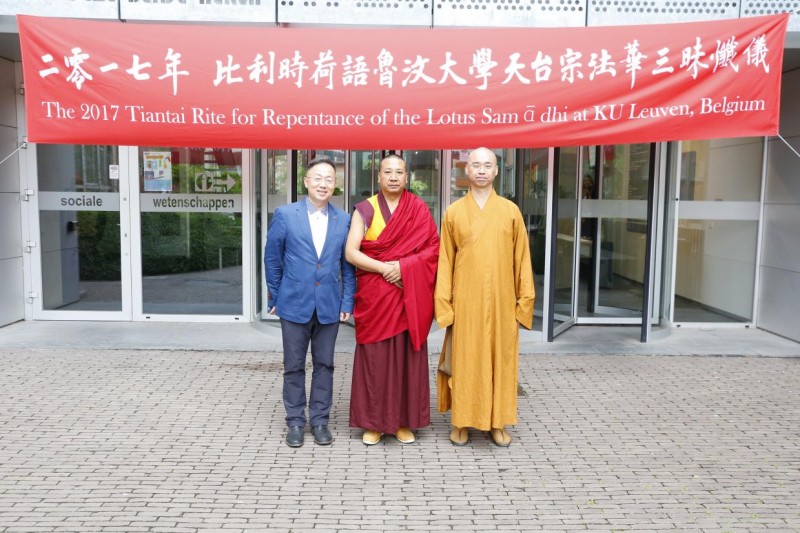
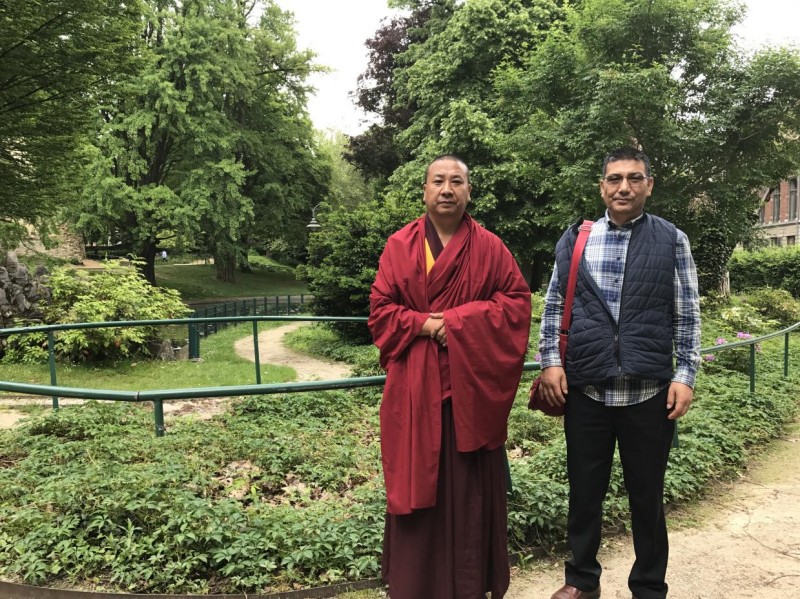
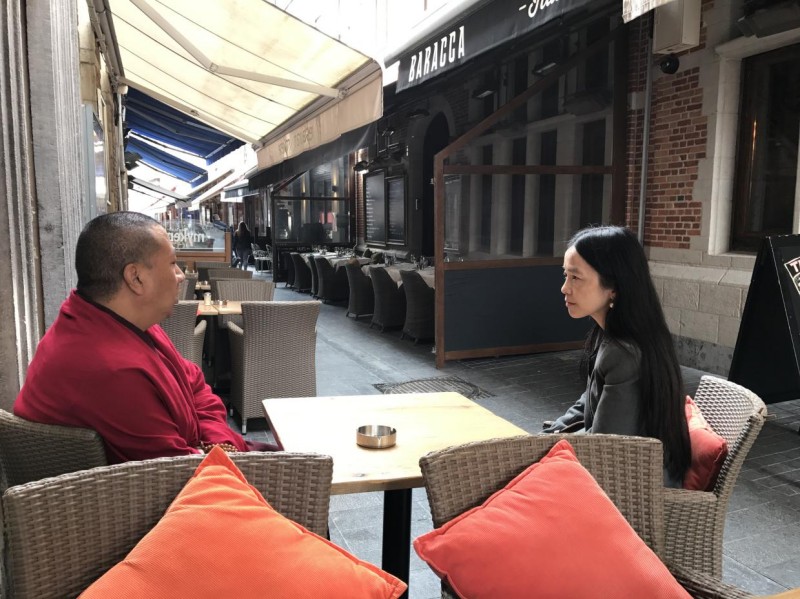
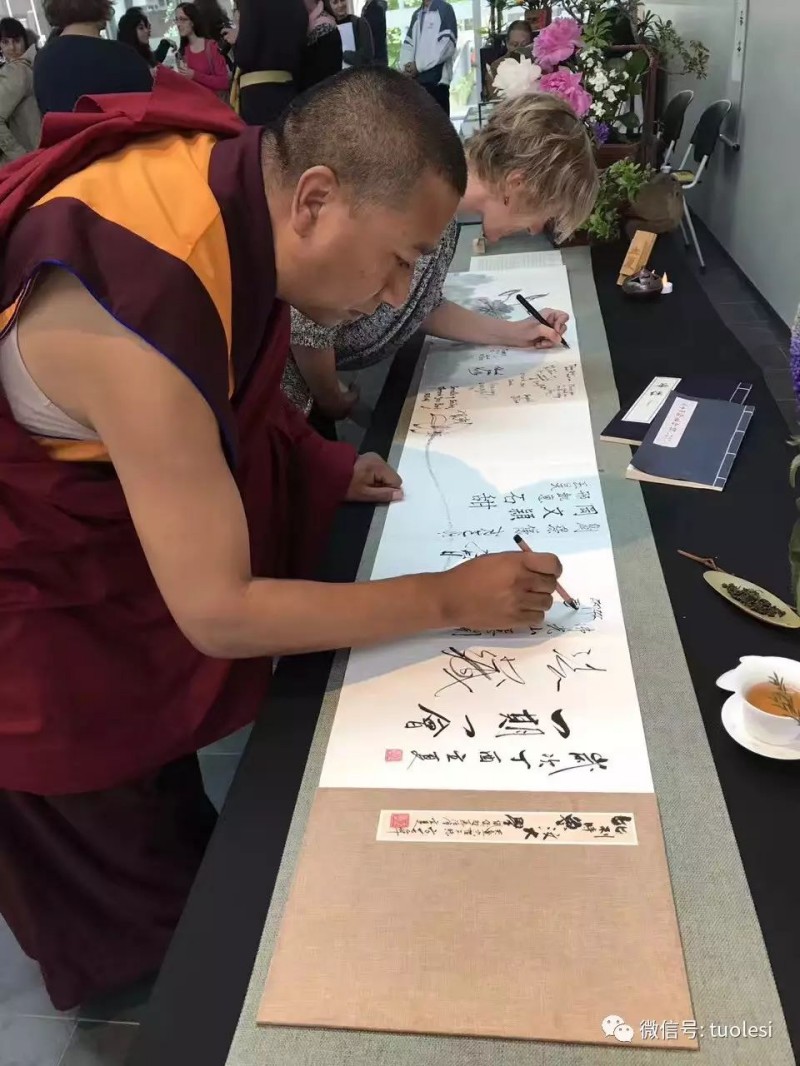
▲阿旺上师参加比利时鲁汶大学国际佛教论坛影集
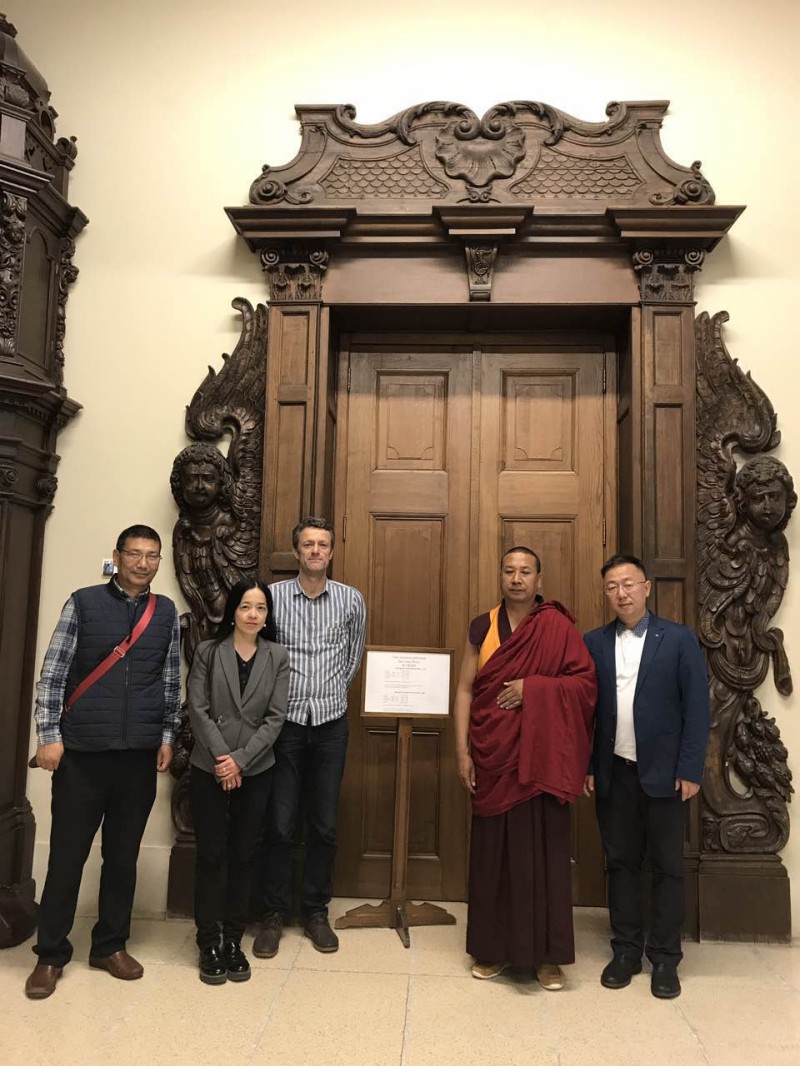
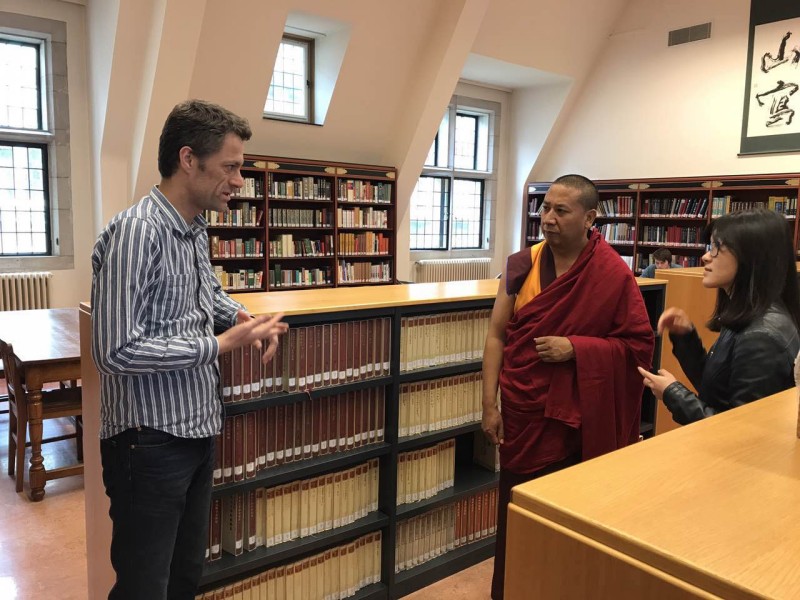
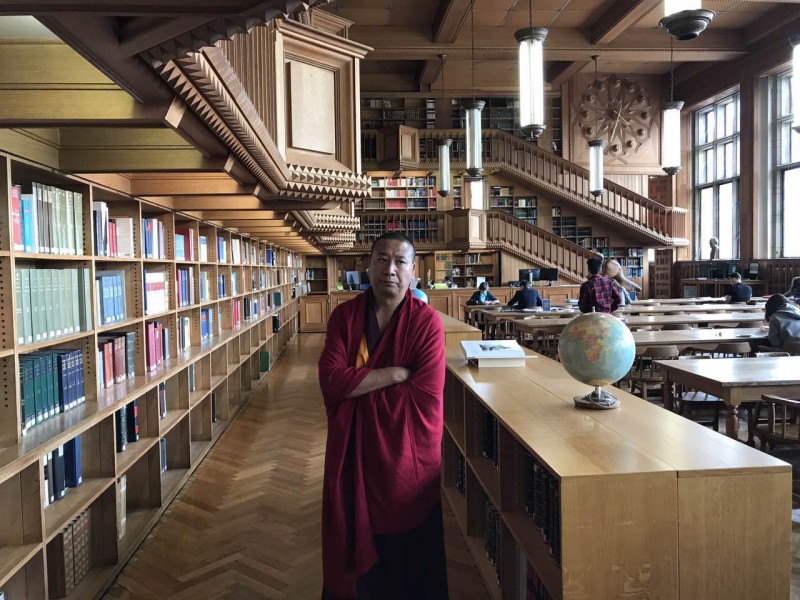
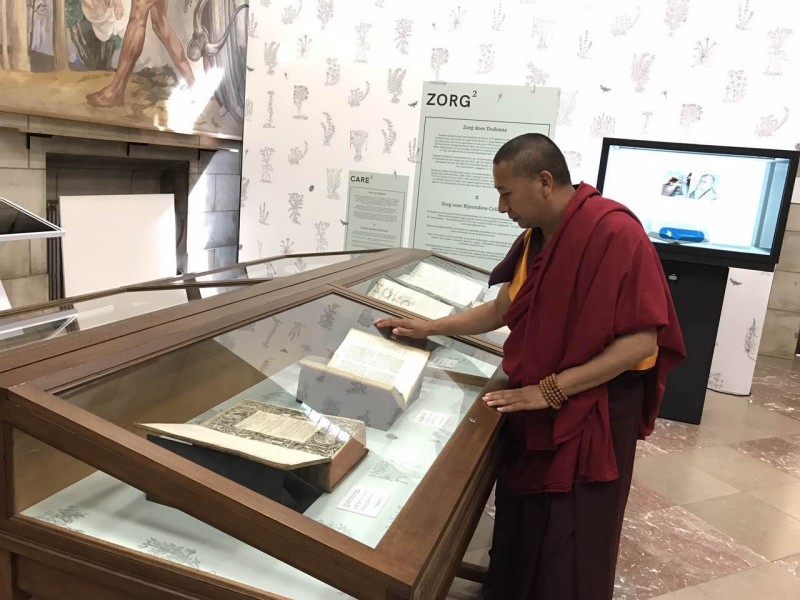
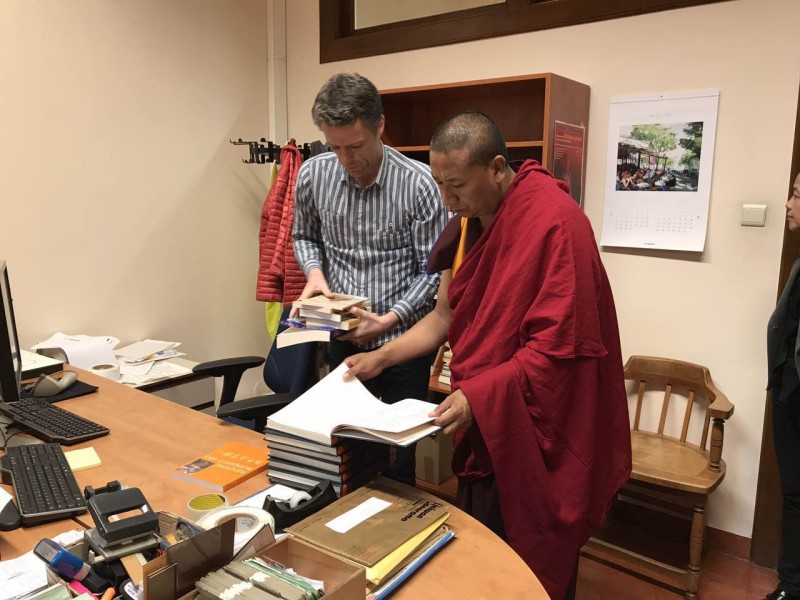
▲阿旺上师参观比利时鲁汶大学中央图书馆
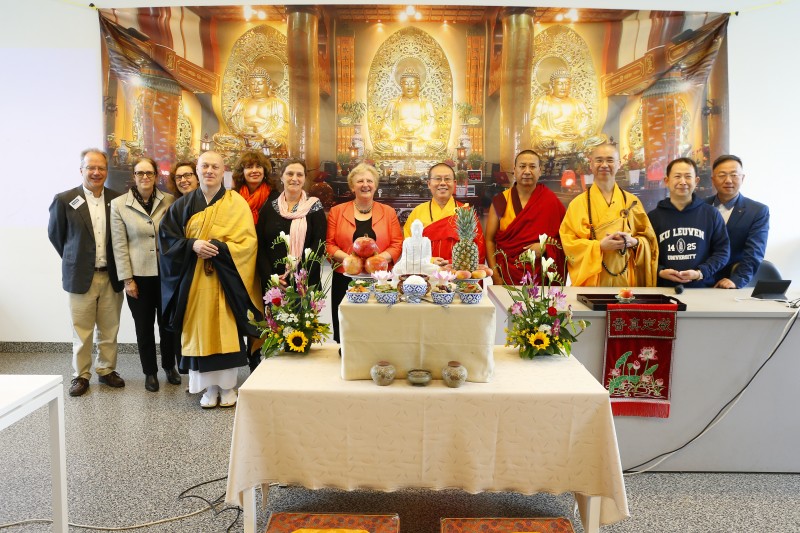
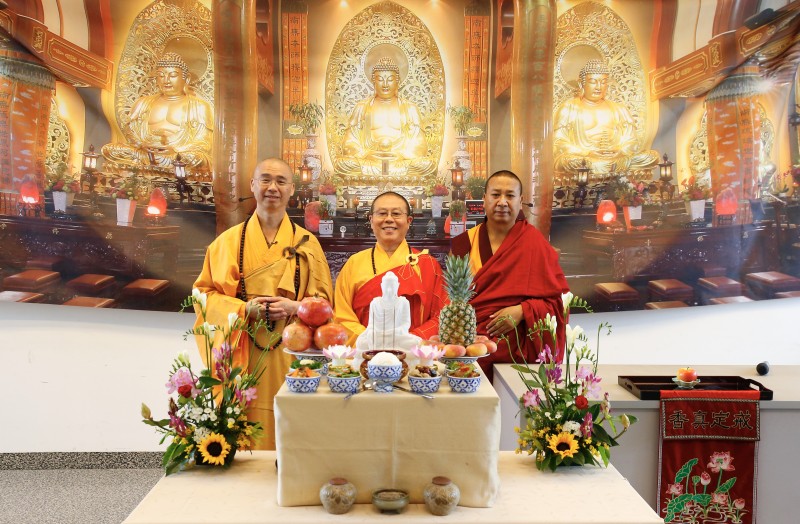
▲阿旺上师为比利时鲁汶大学诵经祈福
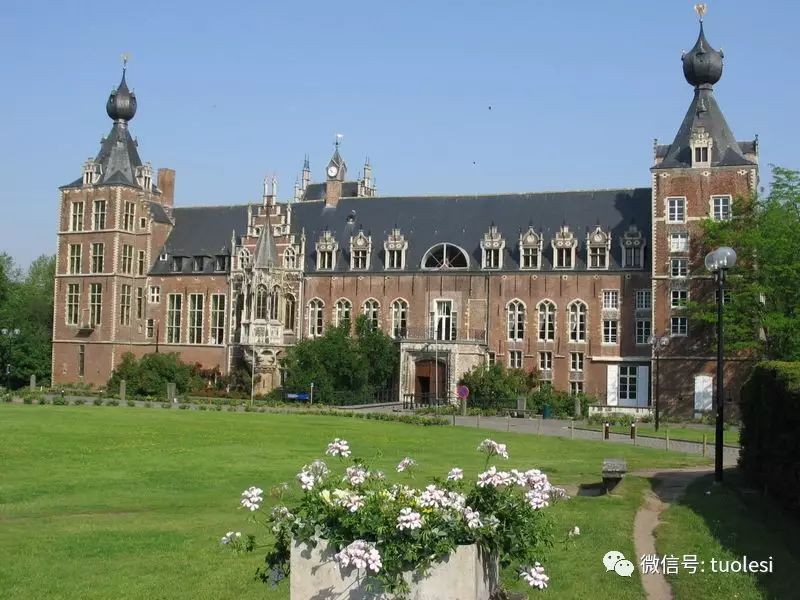

▲比利时鲁汶大学校园
Thank you for your attention.
谢谢关注。


